Posts

Showing posts with the label Hersonissos

Hersonissos, Greece

Image
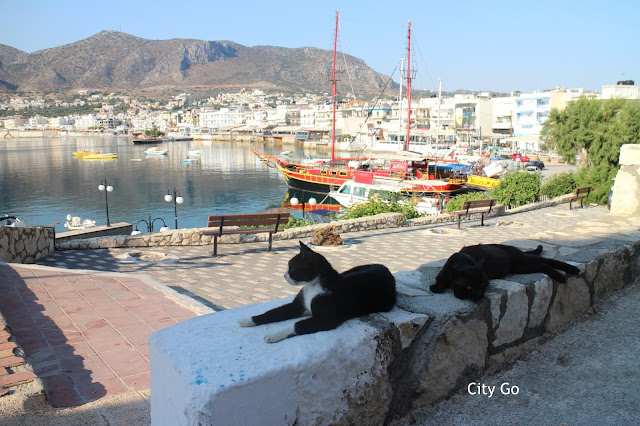
Hersonissos or Chersonissos, officially known as Limenos Hersonissou (Port of Hersonissos) is a village 26km east of Heraklion and one of the main tourist resorts in Crete. Hersonissos dates back to Minoan times and following the destruction of the Minoan civilisation it continued to be inhabited. In Roman and early Byzantine times, Hersonissos was a major sea port. Remains from this period can be found in Kastri Hill, above the harbour. Other remains are still being dug. Later the city was continuously raided by pirates and the inhabitants had to move inland, to Ano Hersonissos (upper Hersonissos) and Hersonissos seaside fell into obscurity. By the 1900 census, there were only 133 inhabitants. It was only in the 1960s, after being discovered by tourism, that Limenos Hersonissou once again prospered. How to get there: There are KTEL buses from Heraklion and the airport, taking about 30 to 45 minutes ( official site , with more timetables). Points of interest: Agia Parask...

Lychnostatis Open Air Museum, Hersonissos, Greece

Image
The Lychnostatis Open Air Museum contains a variety of objects and structures related to the history, culture, folklore, ethnology and flora of the island of Crete. The founder of the museum, Yiorgios Markakis, collected objects for 30 years, and then, along with his family and friends, spent about five years building this Cretan village. Opening hours: 9 a.m. to 2 p.m. (Nov.-Mar. require prearrangement) Entrance fee: €5 (€2 for the audio guide) How to go: You can reach the museum by bus (Hersonissos, KTEL )

Hersonissos Roman Fountain, Greece

Image
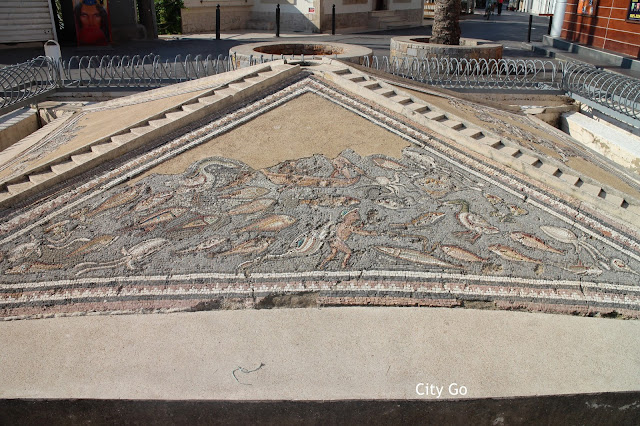
The Roman Fountain of Hersonissos can be found on the seafront, in the middle of shops and tavernas. It has the shape of a pyramid and is covered by mosaics depicting maritime motifs, such as fishermen, boats, sea serpents, squids, ducks and fish. The fountain dates from the 4th century, when Hersonissos was an important Roman harbour, and is one of the many Roman remains that can be found in the area, many of which, unfortunately, cannot be visited.

Agia Paraskevi, Hersonissos

Image
The small church of Saint Paraskevi, located in Limenas Hersonissou, was built in 1870 when a small chapel was carved in the rock. It was later enlarged in the 1930s to address a growing congregation. The church was damaged by fire in 1994 but has since been restored. The church is located on a site continuously inhabited in ancient times as there have been found traces from the early Minoan period to the Roman period when Limenas Hersonissou was an important harbour. Remains of a Basilica from the early Christian period have also been found. Saint Paraskevi was born in Rome in 140 AD to Greek parents and educated according to Christian teachings. She was named after the day she was born, Friday (Paraskevi in Greek). After her parents died she started teaching the Christian ways and was eventually arrested by the Roman Emperor Antonius Pius. She was put into a giant kettle of boiling oil and tar but acted as if the liquid was cool. Being accused by the emperor of using ma...